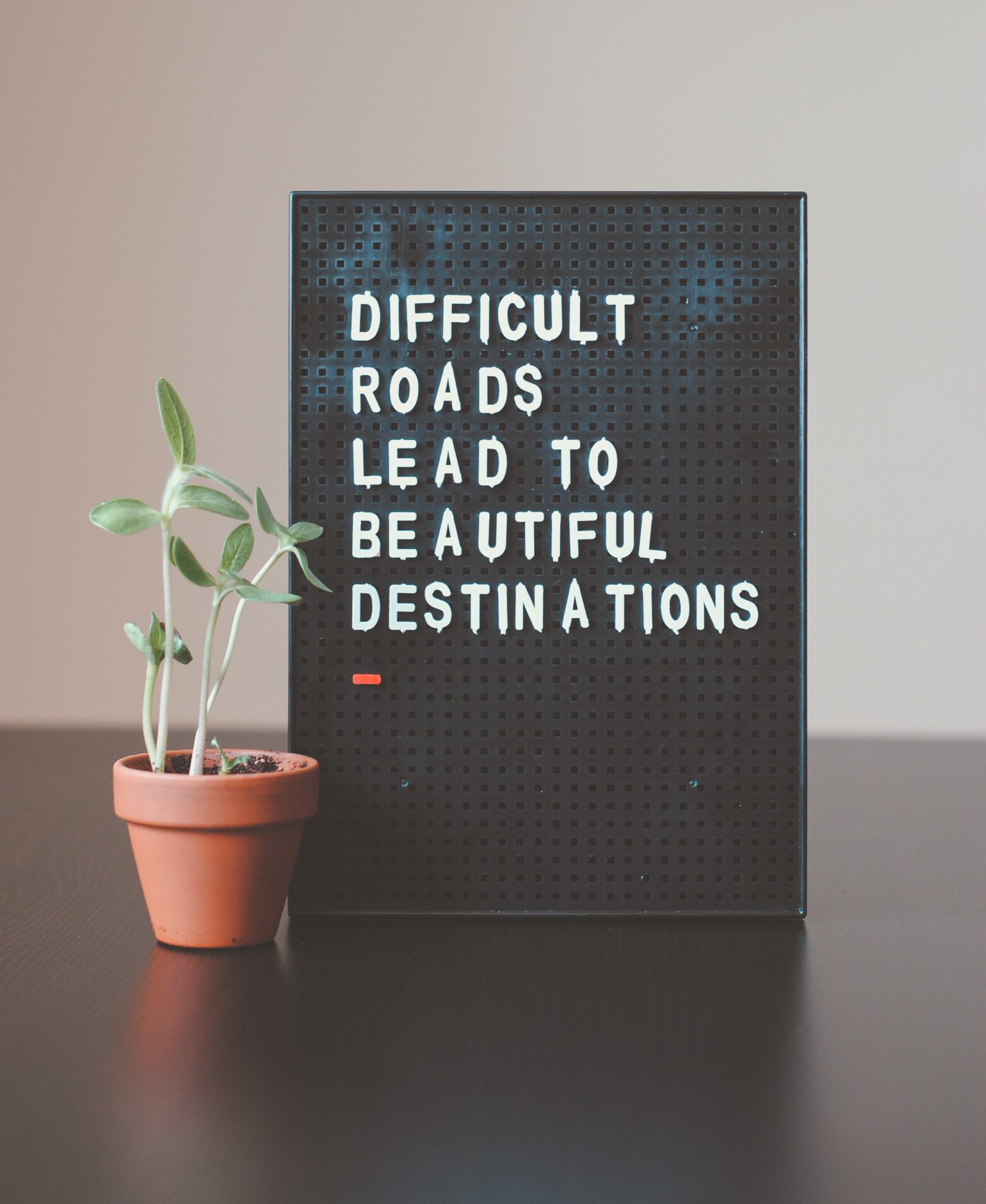
I am in the midst of teaching my teen how to navigate this world and deal with big decisions. The saying goes that you learn how to do things best when you teach them. I am finding this to be very true.
Recently we have learned what it looks like to leave a commitment (and a work environment) with integrity and honesty. To do our best to communicate with kindness in a situation where adults are behaving badly.
No matter what the future holds for my teens, they will need to know how to leave well.
It might be a future job, a social situation, a relationship, classes they have signed up for, an apartment they are renting, a team they are participating in, a church that has changed its values, or a group of friends.
It is a skill that should be taught and modeled. It was definitely something that I had to learn on my own as an adult. I wish I had learned how to keep relationships intact when leaving a situation. It would have saved me a lot of heartaches and burned bridges.

Before You Choose To Leave
First, check yourself. Have you truly done your part to make this situation the best it can be? How much effort have you put into being kind, showing understanding, having compassion, and actually dedicating yourself to hard work?
Sometimes a situation can change simply because of your perspective or the attitude you bring to it. Often some time spent in honest reflection will reveal what can be done.
Wise counsel from others will tell us if the situation can be changed or if we need to leave.


5 Ways to Leave Well
#1 – Always focus on the relationships you have built.
See the people that you are dealing with as fellow humans who struggle and make mistakes. They might honestly be doing their best. That does not excuse the behavior but maybe we can have some extra compassion.
#2 – Share good things and what you have learned.
List good qualities they have, what you have learned from them, and funny stories you shared. You never know when your paths might cross in the future. Everyone can teach you something. (Even if they are an example of what not to do.) Use your time there as a learning experience.
#3 – Don’t lie about why you are leaving, but don’t focus on it either.
Refuse to sugarcoat why you are leaving. Downplaying difficult situations, unhealthy relationships, or inappropriate behavior does not help anyone. However, re-hashing all the actions or words exchanged does not help others move on. Be honest, clear, and then focus on relationships.
#4 – Have prepared answers for hard questions.
When making difficult decisions there are so many layers. So much to think about and decide. People may ask hard questions that you are not ready to answer. Have a prepared statement that is kind, direct, and moves the conversation to a new topic.
Some examples: “This is no longer a good fit.” / “This does not fit into my schedule right now.”
#5 – Goodbyes are hard to do even when they are the right decision.
Changes in routines, who you will see every day, and relationships can be difficult. We are all creatures of habit. It takes work to build new habits in new places. Know that this will be a difficult part of things changing. Allow yourself some time to form new habits and new routines.
Everyone can teach your teen something.
(Even if they are an example of what NOT to do.)
And because it is my teen’s #lifegoal to include a Hamilton song in every situation, this seemed rather fitting to include here. It’s a beautiful example of leaving well in the midst of drama, conflict, and strong personalities.
And here is a great podcast for help with reflection and knowing your next step:
66: DON’T LET THE ENDING DEFINE THE WHOLE STORY by Emily P Freeman
This is not an article on IF you should leave something that is no longer working for you. We often know in our gut if a situation is just hard or if it is no longer manageable. As parents, we need to teach our kids this crucial adult skill.
So many adults burn bridges and behave in childish ways. They spew harsh words and hurt those around them.
I believe that God calls us to treat others well. To lead by example and to be supportive even when it is uncomfortable.
I would love to hear from you. Let me know what you are leaving and how you walked through that process. Know that I am praying for you as you navigate this complicated topic.
Hugs! – April
Photos from Taylor Smith, Ian Schneider, LOGAN WEAVER | @LGNWVR, Hello I’m Nik, Renee Fisher, Junseong Lee, and others on Unsplash

-

Join me on Substack!
Hey! Hello! 😁 I am so glad you have found my blog! This is my home place where I test out writing work, post weekly articles, and share updates on my books. I love having my own corner of the internet that I can call my own. Unfortunately, because of bots and ugly internet trolls,…
-
Time-Saving Hacks: Blocks & Loops
restful productivity tips for your busy fall season (+free PDFs) Here is the problem: I am someone who needs to (and actually wants to) get a lot done. I have a high-capacity but I can feel overwhelmed and confused without structure. My life is full with lots of areas that I juggle and manage. But…
-
Book-ish Things I Gathered This Summer
things for my analog bag, bookshelf and reading life that are not books Over this summer, I’ve ended up collecting a handful of delightfully book-ish things that made reading feel even more fun. None of them were necessities, of course. But I’ve learned that surrounding myself with little fun things invites me to pick up…
-
My DNF Reading Policy
I read 100+ books a year & give myself permission to build a reading life around curiosity, enjoyment, and intentionality rather than guilt “Did Not Finish” It sounds so wimpy and feels shameful. A book DNF can be seen as a reader’s mistake, lack of attention, or an academic weakness. The requirement set by my…