How can we be highly productive in a way that works with our natural wiring?
.
This is an excerpt from my book!
from: Chapter 3 – restful productivity
ARE YOU A SLOW COOKER?
But what if our obstacles have less to do with our energy levels and more to do with personality?
What if we discover, after some self-reflection, that we take more time to adjust to new situations? How can we be highly productive in a way that works with our natural wiring?
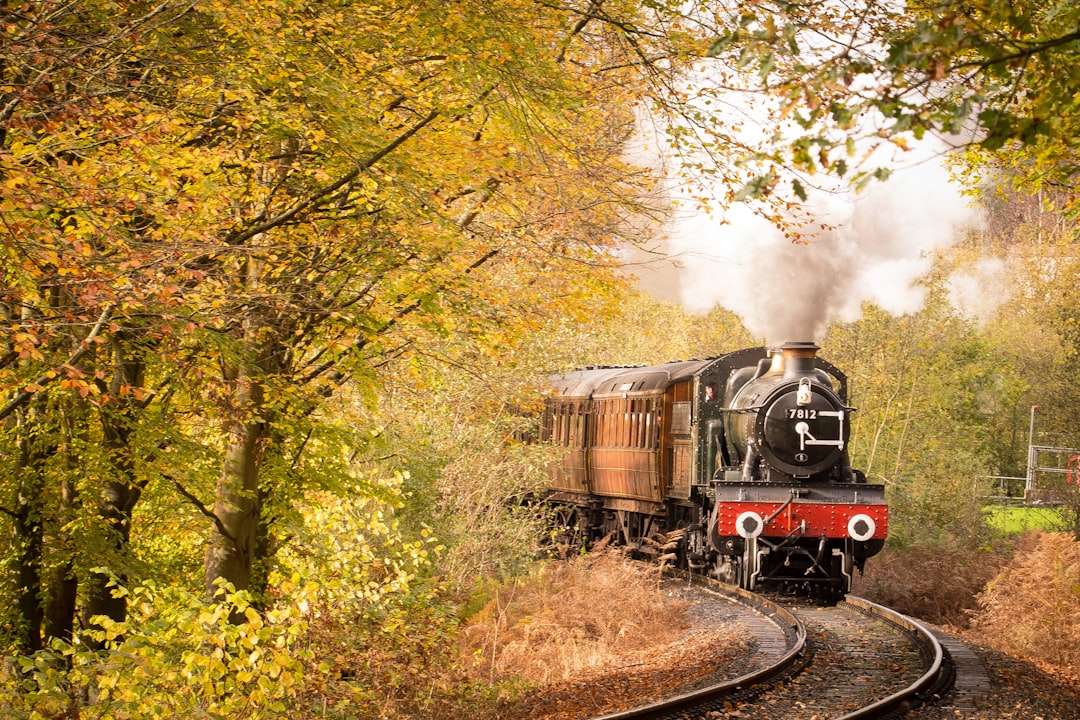
Ever since a field trip to a train museum in 6th grade, I have called myself a locomotive steam engine.
I realized after seeing the trains begin to slowly move across the tracks that I also need space and time to speed up and get to where I am going. Chug..chug.. chug… Gears screeching and wheels slowly turning…
But that metaphor seems outdated and complicated. Let’s try another one.
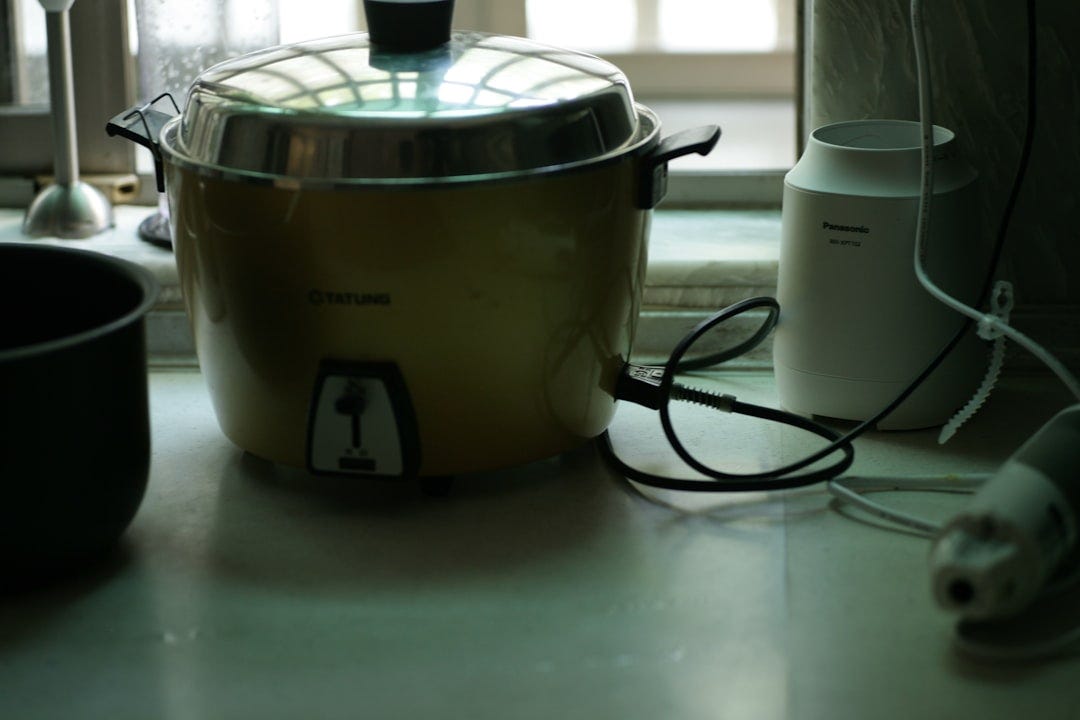
“What would happen if you gave yourself permission to be like a slow cooker?… When we let things simmer, we’re able to slow down and trust that the most important things will get done with perfect timing.”
I recently read about being a crockpot in this fantastic book: She Builds by Jadah Sellner. I love the way she explains this concept. I could totally relate!
I warm up at a much slower pace than other people. I have always been this way. It takes me a little while to get into my groove of getting things done.
I take longer to be present and feel comfortable in the moment.
However, if I am in the midst of a project, I can be efficient and get a lot accomplished. I do not enjoy multitasking, but if I have space and time to focus on one thing, without interruption, I can be highly productive.
Just like the crockpot. Give me some time and space to get the work done, and it will be completed efficiently and to a high standard (and maybe even delicious).
I also take some time to emotionally open up and be ready to share. Vulnerability is valuable in relationships, but I need some reassurance and conversational space to go there.
If I am talking with someone and getting constantly interrupted, I tend to shut down and only listen, even with people that I am comfortable and safe with. This is self-knowledge that I am finally accepting and embracing.
At 12-years-old I would ask myself, “Why is everyone else immediately comfortable at this pep rally and I need a few minutes to watch before I feel like I can enjoy this event?”
Or at 16, I would wonder, “Why do I need some time to review before I can complete this Algebra lesson? I know how to do it. Why can’t I just jump into my homework?”
For a long time, I have chastised myself for not running at the same levels as other people around me.
Now I do my best to accept myself as I am. And that often looks like applying this knowledge as I plan my schedule. Being kind to myself throughout the day as I decide what my next task will be. Giving myself some time to adjust.
So what does this look like?
example #1 switching modes:
If I am trying to switch into “productivity mode” then I give myself an on-ramp into the activity of work. I create routines that tell my body and my brain I am going into “work mode”. I turn on playlists specific to writing or teaching, I often declutter the space and review previous material.
More than anything, I give myself grace and kindness as I move slowly to clear the mental sludge. I let myself warm up. (for more ideas see chap. 7)
example #2 online class:
If I am taking an online class or doing some work with a specific timeline, I make some space in the schedule before and after to get settled and let my brain transition. This looks like sitting at my desk 5 – 10 minutes early before class.
I get a fresh cup of tea and look over my notes from the week before. I begin my notes page for this week’s class, brain dump in my bullet journal things I need to work on after class, and spend a few minutes thinking about what I hope to learn. Then when the Zoom call starts, I am ready to be fully present and engaged with the teacher and my classmates.
example #3 end of work session:
At the end of intense focused work, I let myself slow down gradually. This might be a writing session, teaching my kids, an online meeting, or even deep cleaning. I cannot go from busy activity to complete silence. I give myself 15 – 20 minutes to switch modes.
My off-ramp looks like making a list of what I will work on next, getting some quick tasks completed, or check email, organizing materials, and then making a task list for what I need to do next.
example #4 after a social event:
My path back to calm and quiet is similar after a social event. I need some time to process. After being in social situations where I am surrounded by people and noise, the quiet is too jarring. I must let myself slow down in stages to feel comfortable with rest again. The stopping and the quiet are the endpoints. But I cannot just jump out of the activity and get there.
I need to let things gradually change over time.
For example, I need a way to relax after hosting a birthday party with all the kids, activities, and noise. I must create a logical fork in the road to quiet. I will usually sweep and mop the kitchen while listening to a podcast.
Then after that, I will sit in silence or spend time reading on the couch. This means I have to schedule downtime after social events. The more draining and demanding the event the longer off-ramp[2] I will need to slow down.
There are times when I must get out of my comfort zone and push through.
There are seasons where the calendar has more activity than what I like (ahem, May and August). But, I am more comfortable in my skin when I give myself a long track of time to move at my slower pace. I choose to not be rushed by my calendar or by others.
We have people in our lives who move at all kinds of different speeds. They differ in levels of productivity, the ways they transition, and how they structure their schedules.
This self-knowledge is so helpful and freeing.
What is restful to one person might be stressful and overwhelming to another. A calm and smooth transition for him might seem abrupt and difficult for her.
So, I don’t know if you relate to being a crock pot, a train, a racecar, or a tortoise, but it’s okay if you take a bit to get in the groove.
To be the best versions of ourselves, we need to understand our natural tendencies.
Then make adjustments where we can work with our natural rhythms. The way that each of us approaches productivity and rest will be different.