Real-life meal planning tips that actually make meal planning easier and cheaper (+ free PDFs)
We have all had that moment when we stare into the fridge, see only random ingredients, and wonder what to make for dinner.
Today I’m sharing 3 simple, repeatable habits that make my meal planning easier and cheaper.
I am hoping that this post will give you some fresh ideas (or remind you of tips that you have forgotten about). It can be difficult to save money, and feed yourself and your household in this busy spring season.
Don’t worry, I got you! 😜
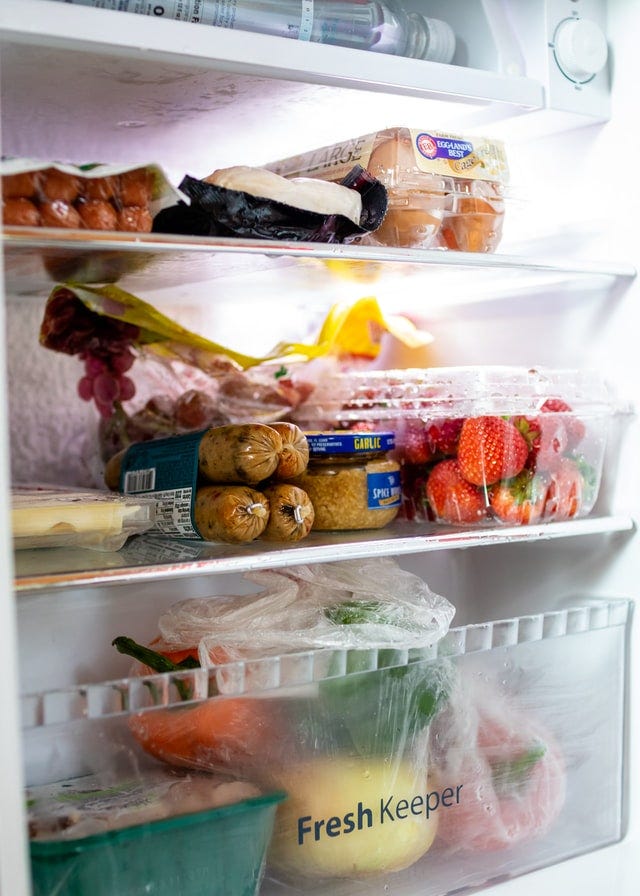
My favorite meal planning tips that save money:
Tip #1 – Pay attention to what each meal costs.
- Do you know the cost of the meal you made last night for dinner?
- Can you estimate how much your family’s favorite fast food will cost for a typical lunch?
- What do you spend on food each week?
These were all questions that I was a bit oblivious to as a young adult.
This simple tip of paying attention to what each meal costs changed my grocery shopping.
I first encountered this idea when I read the book Miserly Moms (my mom gave it to me after I got married🩵). She knew that Jim and I were trying to finish college and money was very tight.
I was inspired to immediately make some helpful changes to our spending and I can’t even imagine how much money this has saved us over the last 24 years!
Most of the time, I shop with the mindset of meals and the ingredients for those meals.
I buy ingredients only when I need them, and I keep a running inventory of what we have in our pantry and fridge.
Here is a practical example:
- Chicken Enchilada Soup: This cost us a total of $14.79. Another easy meal that we enjoy. It takes about 15 minutes to prep and put into the crockpot. This helps me on the evenings when I am driving kids to church small groups.
- 3 boneless skinless chicken thighs = $6.35
- green enchilada sauce (1 large can) = $1.99
- canned tomatoes & green chilis = $0.85
- one onion (chopped) = $0.25
- one carton of chicken bone broth + 4 cups water = $3.40.Normally I do not write recipes, so here is my quick explanation:
- Combine all ingredients in the crock pot and cook for 4-6 hours.
- Before serving take out chicken thighs, dice the meat, and put back in the soup.
- Toppings for soup bowls: fresh cilantro, sour cream, avocado slices, cheese (if I have them)
- I serve it with a big bowl of tortilla chips as a side (one bag of chips from Aldi’s = $1.95)
**(All ingredients listed came from Aldi’s in Mesa, AZ. Food prices change all the time here, this is just a snapshot.)
Calculating the costs of a meal is simple math.
When you break down some of your family favorites this way it is easy to see how to save more money. Compare this with a fast food meal for our family which is usually a total of about $50 – $60 and this saves us a quite a bit.
If you are looking for delicious and practical recipes for families I highly recommend this blog: https://lovelylittlekitchen.com (Julie is helpful and excellent at sharing food that is easy to make.)
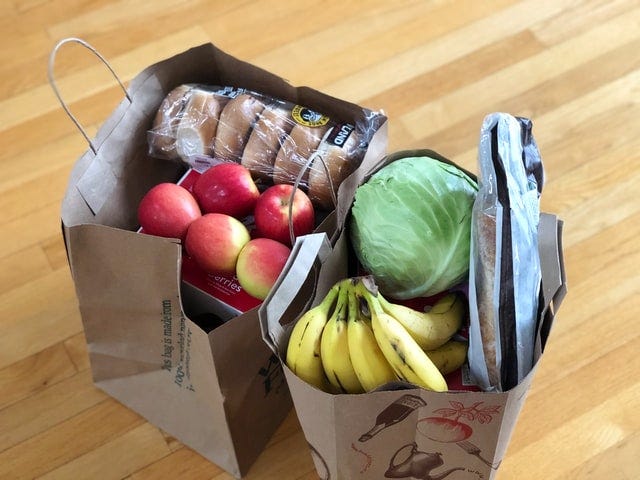
Tip #2 – Use a Meal Planning Notebook or Clipboard
This notebook in my analog stack is the most utilitarian of them all. No stickers or fun flourishes, just messy handwritten lists. However, my family appreciates the creativity and time I take here.
About every week or two I clean out the fridge, make a grocery list, and do my meal planning (not always in that order). My Meal Planning Notebook is central to this homemaking routine.
What this notebook does for me:
📒 helps me use the food we have
I can save money when I know what we have in the fridge that needs to be used up. Most of the time the small amount of leftovers becomes someone’s lunch. But, if we have plenty of extra, I like to make them work in another evening family meal.
— Taco night leftovers and a few forgotten potatoes from the pantry can become omelet ingredients.
— Diced BBQ chicken can become the favorite topping on a salad.
— A half jar of marinara or some tomatoes in the drawer getting squishy can become the base for a pasta sauce.
But I must know those ingredients are there to plan to use them up. I hate throwing food out, especially when I could have saved money and used it.
.
📒 adds variety in our week night meals
One of my toxic traits is not wanting to repeat meals.
I get bored with the same ingredients and types of meals made over and over.
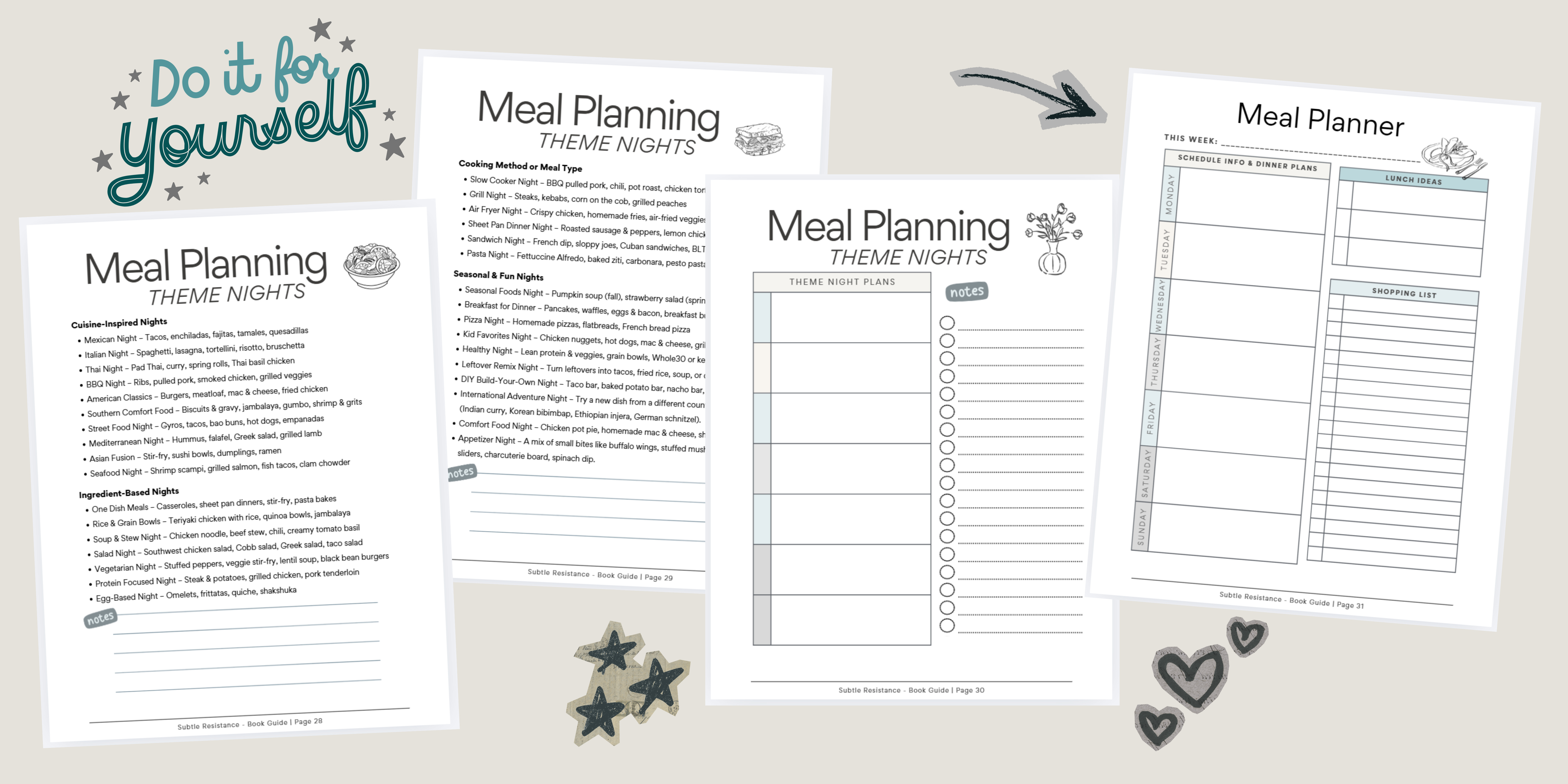
I often thumb through a cookbook or browse my online folders to gather ideas. Then I make messy lists and notes on recipes to try. I also use the pages from my book guide as inspiration for meal themes during my planning. All of these practices have given us much needed variety.
.
📒 saves me from decision fatigue
I consider myself a rather creative and intelligent person. But when it’s past time to get dinner started, my brain is crammed full with writing tasks, my kids are whining loudly requesting a meal, and I’m feeling a bit hangry… looking at a fridge of ingredients is not helpful! 🫤
So, I try to save myself from decision fatigue by doing the thinking all at once.
During my weekly planning I take advantage of my creative brain that loves to make connections. My process seems simple (because it is) and it saves me a ton of thinking and prep time on busy week nights.
— I look in the fridge and freezer
— I take stock of the pantry
— I look over my “need to use this up list”
— Then I map out all the meals I can easily make that week… aka: I write out a messy list in my notebook and often I copy it onto the kitchen whiteboard.
During busy weeks, the list is specific to days (Thursday: Italian Pasta Salad). Usually, it is just a list of meals to make that week. I like to hold plans loosely so that I can change my mind or adjust if I forgot to thaw out the chicken.
.
Check out my free planning pages in my book guide (p.28-31).
also lot of meal planning ideas in Chapter 8 of Subtle Resistance
.
Tip #3 – Have a few “Better Than Fast Food” meals ready to make.
It also helps me to have a list of cheap go-to meals that I call “a bit better than fast food”.
If we go to one of our favorite fast food places it costs us about $50-$60 for lunch or dinner. That is burgers and fries (or chicken sandwiches) for 6 people. Yikes!
I feel sticker shock every time we go through the drive-thru. So we only go once week. It is a special treat and therefore does not radically affect our diet or our wallets.
I know I can make a meal at home in 15-20 minutes for less than $15.
This removes the appeal of going through the drive-thru and saves me money. Our dinner experience is better too. When I make meals at home we sit around the table and talk instead of eating in the car on the way to the next thing. It is slower, healthier, more relational, and cheaper.
2 practical examples:
- 🍝Spaghetti: This cost us a total of $12.25. A simple at-home meal for my family of 6. It takes about 20 minutes to make and anyone in my household (even my 11-year-old) can put this meal together easily on a busy week night.
- one box of spaghetti noodles = $1.99
- one jar of pasta sauce (Aldi’s brand) = $1.45
- one bag of frozen meatballs (approx. 20) = $5.79
- a French Baguette (Aldi’s bakery section) = $1.69
- a bag of garden salad = $1.29
- 🍲Grilled Ham & Cheese with Tomato Soup: This costs us a total of $11.73. This is a quick dinner or lunch solution when we want something a bit nicer than cold deli sandwiches. It takes about 15 minutes to make and is a favorite when we get unexpected rain.
- a loaf of sourdough = $3.49
- sliced sharp cheddar cheese = $1.49
- black forest ham sliced = $3.00
- 2 cans of tomato soup + milk = $3.00
- butter = $0.75
Are these amazing nutritionally?
Well, no.
But it gets the job done.
And as Kendra Adachi says, “Plan your hotdogs.” This basically means you can have simple go-to meals that feed your family for busy nights and times in the week when you feel depleted.
Not every “homemade meal” needs to be from scratch, full of organic veggies, or a passed down family recipe. 😜
Tip #4 – the Spending Freeze Challenge
This is a challenge that I have done a few times a year for the last 7 years. It has become a game changer for me. I gain so much clarity in that week of saying “No” to myself and my kids. I always find areas of my spending that need to change or be adjusted.
What is it & How to do it:
- No spending money for a 7 full days. This does not include utilities and bills. This is just your typical weekly expenses: clothing, groceries, drive-thru meals, extra events, Target browsing.. etc.
- Do not create loopholes. Actually challenge yourself. Yes, this will be hard. That is the point. Be excited to find new ways to do things and make it work.
- Stay home as much as you can that week. Don’t tempt yourself. Give yourself a break and make it easier to stick to the spending freeze challenge.
- Use the saved money wisely. Set it aside. Put the money that you would normally spend on groceries and expenses that week into a separate place. (pay down debt, savings, travel budget, new furniture)
- When the freeze is over… spend as normal. Do not go crazy spending everything you saved. Be creative to solve things that are needed that week. Be scrappy and use what you have.
Why do I do this??
For the power of a reset.
I am training myself to be creative, to go without, and to roll with the punches. If I am honest, I get into bad patterns with my spending. I have cabinets stocked with decent food. I have something in the bottom of the freezer that needs to be used up… and I buy things that I don’t really need.
The spending freeze shakes me up and gives me fresh perspective.
I also explain to my kids and teens why we are doing a Spending Freeze and then ask for their help that week. It is easier when they know what is happening and can adjust their expectations.
I originally found out about this idea from Jordan Paige here: https://funcheaporfree.com/how-to-do-a-spending-freeze/.

What if saving money on groceries had less to do with coupons and more to do with simply paying attention?
For years, I shopped and cooked on autopilot, never really knowing what our meals actually cost.
But one small shift changed everything: I started noticing the numbers. And over time, that awareness quietly transformed the way I plan, shop, and feed my family.
I hope these tips help you too.
Share with us what meals you plan to make this week!
Here is to less waste, fewer drive-thru runs, and more intentional meals at home!
🍽️Happy Meal Planning!

.